CoinClinic: Gold Coins and Turning a Hobby into a Career
CoinClinic tackles questions about gold coin purity, the Hobby Protection Act, counterfeit coins, and other collecting curiosities.
Is the U.S. Gold American Eagle coin the purest gold coin in the world?
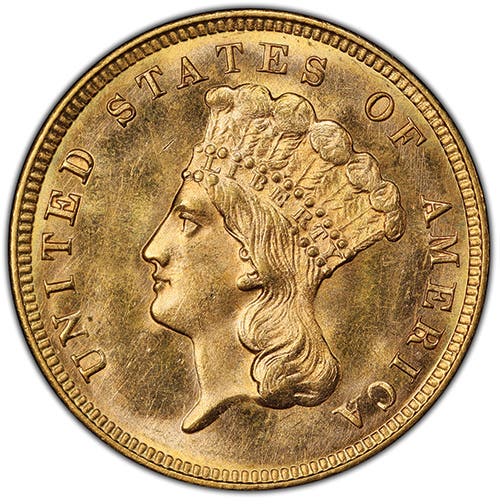
The Gold American Eagle is composed of 0.916 percent fine gold, 3 percent silver, and 5.33 percent copper. The Gold Buffalo coins are composed of 0.9999 fine gold. Austria and Australia have matched this purity on their bullion coins; however, the Royal Canadian Mint has issued Gold Maple Leaf coins of a purity as high as 0.99999 percent gold (five zeroes).
Why not make the Gold American Eagle (GAE) of the same purity as the Gold Buffalo coinage?
The Gold Buffalo coinage is produced to compete on the world market, while the GAE are produced primarily for domestic consumption and are focused on anyone who wants to own gold, as well as for anyone looking for a special collector’s version. A pure gold coin is soft and can be easily scratched. The handling of either of these coin types is remote; however, considering that there are foreign gold coins of higher purity than the GAE, the Gold Buffalo coins are of more interest to investors worldwide. In a similar fashion to the South African Krugerrand (purity 0.9167 percent gold, balance in copper), a GAE tends to be discounted more deeply below its one ounce of gold value than are these purer gold coins.
Is the word COPY supposed to appear on all replica coins?
Public Law 93-167, known as the Hobby Protection Act, makes it illegal to produce, purchase, sell, or import imitations of coins that have not been marked with the word COPY. Political items, coins, and “other numismatic items” are included within the definition of this law. The law was established in 1973 due to the number of counterfeits and so-called replicas that were appearing in the numismatic marketplace.
Is there a specific place on which the word COPY must appear on a replica coin?
The Hobby Protection Act states the word COPY must appear incused in capital English letters, clearly and permanently visible on either the obverse or reverse. The letters must be a minimum of 2.0 millimeters or a sixth of the diameter of the coin, whichever is larger. The U.S. Secret Service is responsible for the enforcement of this law.
Can I legally own a counterfeit coin?
There are two different counterfeit coin types. The first is contemporary, coins that were meant to circulate. The other is modern, meant to deceive collectors and investors. Federal law makes it illegal to own either of these counterfeit coin types. According to 18 U.S. Code § 485, you can be fined and possibly get 15 years in prison for violations of this law.
What can I do if I’m “stuck” with a counterfeit I got in circulation?
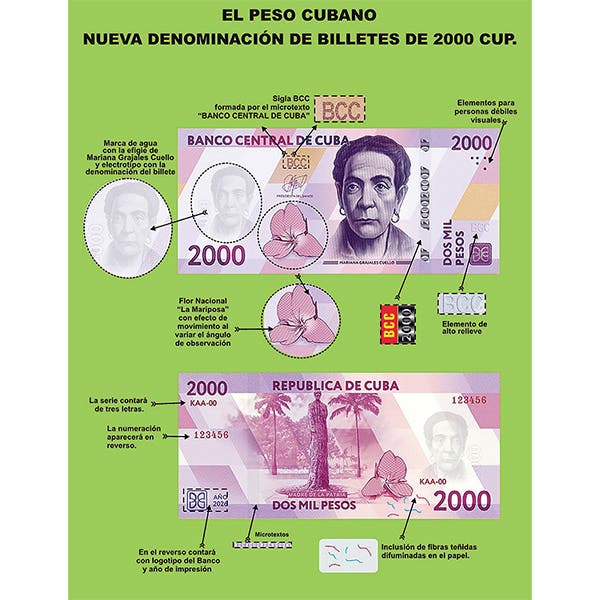
Counterfeit coins and bank notes received in circulation are supposed to be surrendered to the Secret Service. The service will then attempt to trace the coin or note back to its source. Collectors should be aware that the non-profit Anti-Counterfeiting Educational Foundation has partnered with the Treasury Department and has brought equipment capable of stamping a replica coin with the word COPY to some coin shows.
What is the most popular secondary hobby for coin collectors?
There are no hard statistics; however, it appears philately (stamp collecting) may continue to be the most popular secondary hobby for coin collectors. To clarify, coin collecting considers that the greater picture of numismatics includes collecting coins, paper currency, including bank notes, exonumia, medals, tokens, and militaria. In general, people who are motivated to collect seldom focus on a singular collectible.
What is the profile of the typical coin collector?
There is no definitive profile that makes any collector “tick.” William S. Cahill of Florida Atlantic University wrote his 1986 Ph.D. thesis on collecting hobbies and the middle school academic performance of collector students, concluding “the collector group scored significantly higher in academic achievement than did the non-collector group.” University of Granada researcher Dr. Lopez Torrecillas concluded, “Collecting items is good from a psychological view, as it helps in developing positive skills and attitudes such as perseverance, order, patience, and memory.” Torrecillas also concluded, “When people have this feeling of personal inefficiency, compulsive collecting helps them in feeling better.”
Is there a significant difference between a coin dealer and a coin collector?
According to Magnet Schools of America, “As expertise grows, a coin collector can transform this passion into a professional endeavor.” A coin dealer, just as with any other self-employed person, has a high tolerance for risk and has an entrepreneurial personality. It helps to be deeply involved in the understanding of everything from numismatic history to grading to an understanding of the ebb and flow of the sales market. Dealers may collect, but they make an effort not to let their collecting interests interfere with their business.
What are my professional opportunities within numismatics?
Becoming a coin dealer is the highest-profile opportunity in numismatics. Other opportunities can involve working as a financial consultant, employment at an auction house, becoming a museum curator, archeologist, book author, professional appraiser, precious metals broker or trader, or working for a privately owned or government mint. Some of these areas may involve some form of formal education, while others may not.
E-mail inquiries only. Do not send letters in the mail. Send to Giedroyc@Bright.net. Because of space limitations, we are unable to publish all questions.