World Coin Clinic: What is the Purest Gold Coin in the World?
From sixpenny nails to Krugerrands, these surprising money facts reveal how everyday terms and global coins carry fascinating financial history.
Does the term sixpenny nail mean anything monetarily?
The length of a nail is expressed in penny sizes. A sixpenny nail is about two inches long. The term penny was first associated with nails in England, where a sixpenny nail would at one time cost sixpence per 100, a tenpenny nail would cost 10 pence per 100, and so on. In the United States, we still identify the length of a nail by its penny size.
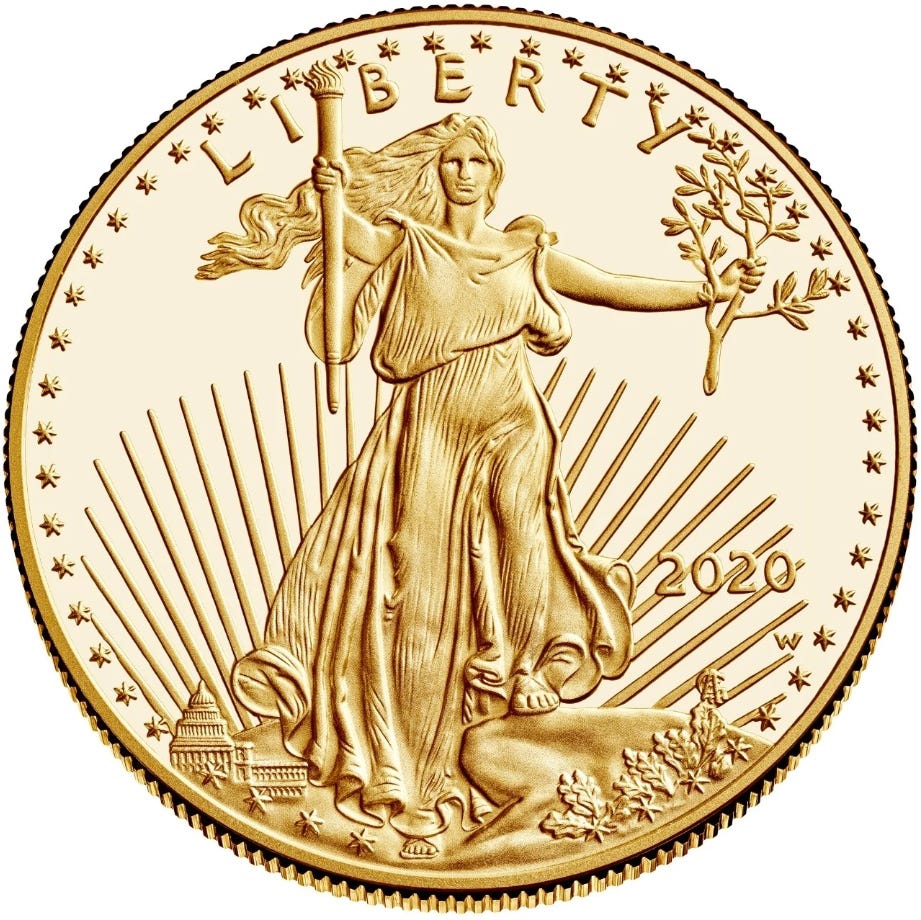
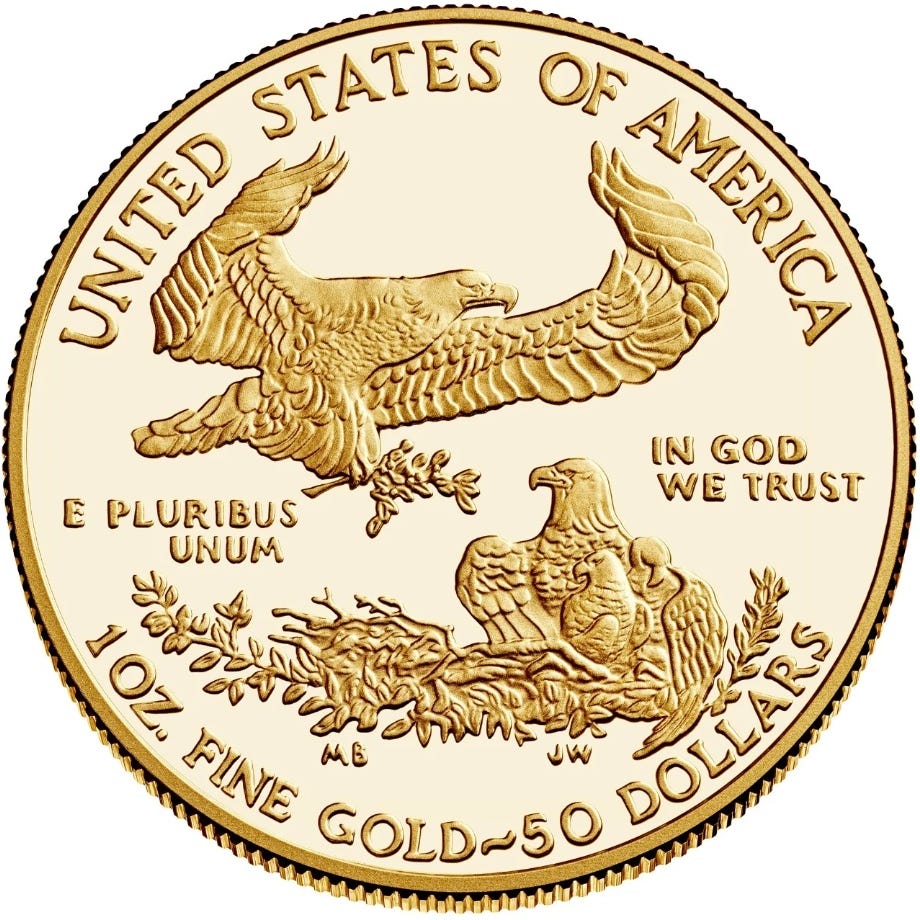
Is the U.S. gold American Eagle coin the purest gold coin in the world?
The Gold American Eagle is composed of 0.916% fine gold, 3% silver, and 5.33% copper. The Gold Buffalo coins are composed of 0.9999 fine gold. Austria and Australia have matched this purity in their bullion coins; however, the Royal Canadian Mint has issued Gold Maple Leaf coins with a purity of 0.99999% gold (five zeroes).
Is it illegal to own a gold South African Krugerrand?
As a way to protest the South African government’s racial separation policy known as apartheid during the 1980s, Krugerrands were illegal to import into the United States, Great Britain, and several other Western countries. The policy ended in 1994 due to a multiracial election. All sanctions imposed due to apartheid were lifted, and it became legal to own, buy, and sell Krugerrands once again.
Austria’s Maria Theresa thalers have been struck since 1780, but with a frozen date. How can I tell if I have an older or recent example?
At least 12 mints, including Birmingham, Bombay, Brussels, Hall, Karlsruhe, London, Paris, Rome, Utrecht, and Vienna, have struck Maria Theresia thalers since 1780, most of them striking frozen date thalers beginning in 1751. The wide varieties and distinguishing marks were first published by Dr. Franz Maria Hafner in his book Der Maria Theresa Taler 1780. The website "The Maria Theresa Thaler 1780," has illustrations you should find useful.
Is there a British £100 coin?
The United Kingdom issues bank notes in denominations of £5, £10, £20, and £50. The Royal Bank of Scotland issues a £100 bank note that is only legal tender within Scotland. There are no £100 coins issued for circulation; however, the British Royal Mint issued non-circulating legal tender commemorative £100 (pound sterling) beginning in 2015.
You may also like: