World Coin Clinic: Having Fun with Phaleristic Collecting
An exploration of dateless coins, denominations, and the collecting potential of fraternal and organizational numismatic material.
Are there modern coins that don’t carry a date or denomination?
Modern coins have dates and denominations on them. That wasn’t always so. Christian-dated coins first appeared in the 13th century but did not proliferate until the 17th century. At one time, the face value of a coin would be recognized; it wasn’t necessary to place a denomination on them. Today, it is expected that coins will have dates and denominations. Any numismatic object on which a denomination doesn’t appear is treated as a medallion rather than a coin. The American Arts gold medallion series was never popular because the series is called medallions, and they have no denomination. Each coin in the American Eagle bullion coin program has a nominal denomination and has been a success since it first began.
Is collecting badges from an organization considered to be numismatic?
Numismatics is a wide field encompassing much more than just coins and bank notes. There are many fraternal orders, service organizations, religious orders, and the like that have issued medals, tokens, pinbacks, lapel pins, membership and convention badges, and more, many of which are dated and should be considered within the realm of numismatics.
Should I consider collecting memorabilia of an organization to be exonumia?
You can consider such material to be exonumia, but it also falls under the term phaleristics (faleristics). Phaleristics is an auxiliary to both history and numismatics that studies fraternities, orders, medals, ribbons, badges, and other decorative objects or items awarded for service or contributions. The Latin word phalera refers to a decorative or protective disk worn by Roman soldiers. Phalerus, in Greek mythology, was an Argonaut and the son of Alcon from Athens.
Any suggested guidelines for collecting numismatic-related material from an organization?
Phaleristic collecting can be a gold mine, as many organizations’ badges and other numismatic collectibles have never been cataloged and are not widely collected due to a lack of knowledge. I would suggest focusing on the history of an organization, collecting material on which a date appears, where possible, and paying attention to makers’ marks and hallmarks. Membership, leadership, convention, or other event badges can be developed into a really nice collection.
You suggested that fraternal organization items that can be dated would be collectible. What are your thoughts on items that aren’t dated?
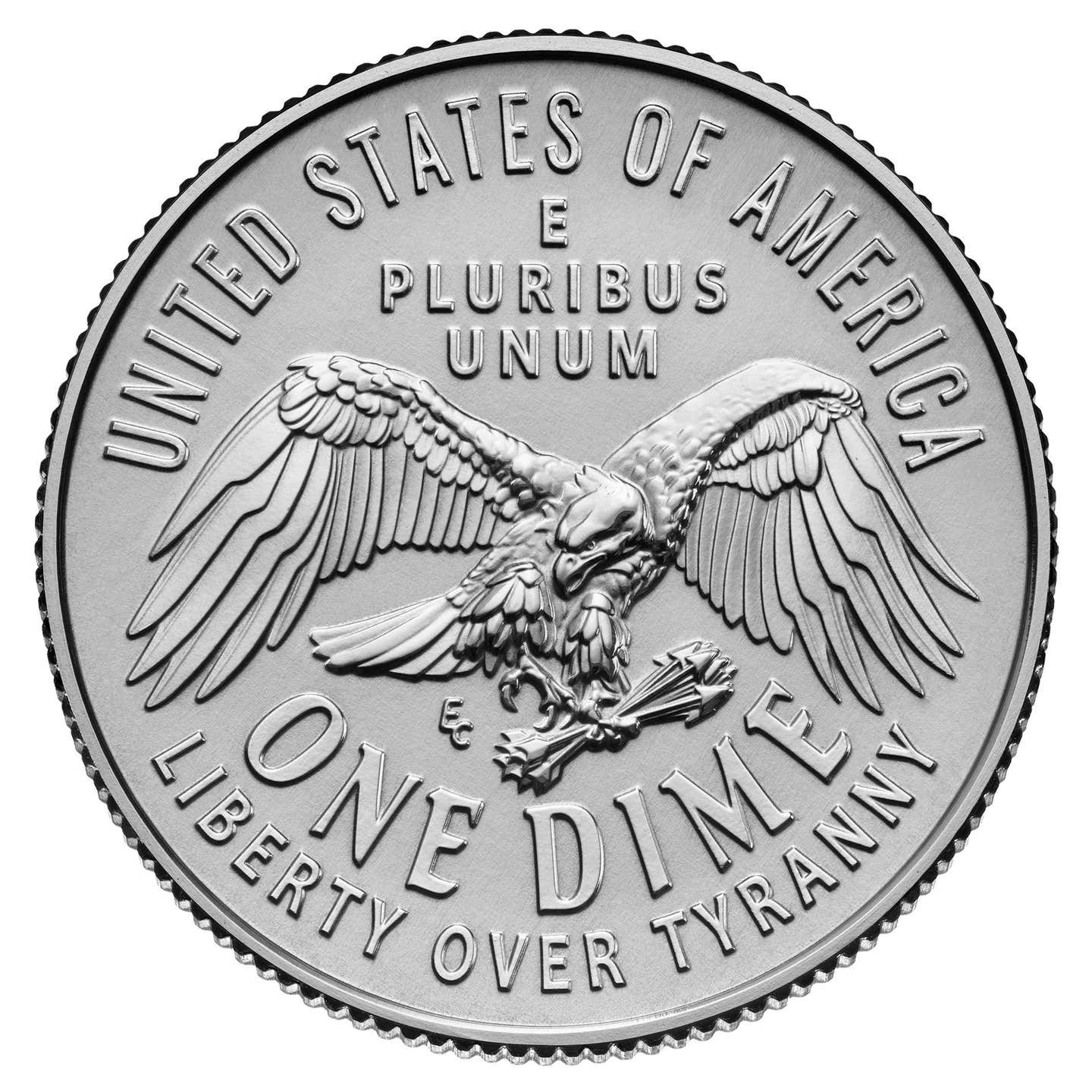
While some phaleristic objects may be limited to a specific time period in which they were presented, most should more likely (in my opinion) be classified as jewelry. Looking at it as a collector, I would be less likely to collect decorations or awards that are continuously available, comparing them to collecting U.S. dimes if the date and mintmark no longer appeared on the issue.
E-mail inquiries to Giedroyc@Bright.net. Because of space limitations, we are unable to publish all questions.