CoinClinic: Withdrawing Bullion Coins from Circulation
The government has said the cent may no longer be produced, but it won’t be demonetized. Was this same scenario played out with the half cent? The half-cent denomination was…
The government has said the cent may no longer be produced, but it won’t be demonetized. Was this same scenario played out with the half cent?
The half-cent denomination was officially demonetized through the Coinage Act of 1857. The cent was altered but not demonetized via the same legislation. The problems were similar to the problems we have today. The intrinsic value of the coin exceeded its face value. It was also more costly to produce half cents and large cents than it was to mint the reduced-size 1-cent coin that followed.
Did the Coinage Act of 1857 impact other coin denominations as well?
One of the major concerns addressed by the Coinage Act of 1857 was the acceptance of foreign coins as legal tender. The 1857 act mandated that domestic coinage was to be our only legal tender currency. The government’s aim was to monopolize our money supplies. This was accomplished through this legislation by mandating that the new 88 percent copper 12 percent nickel alloy small cent would be received as payment when worn gold and silver coins were turned into the mint.
I get it that specie coinage isn’t practical because the intrinsic value of a coin exceeds its face value. Is there some way through which specie coinage could once more become practical to use?
Since the spot price of gold, silver, platinum, and copper fluctuates continuously on markets worldwide, placing a face value on a coin containing any of these metals that makes sense is challenging, perhaps impossible. This would change if the spot price of these metals were frozen. Otherwise, both parties (buyer and seller) transacting with a precious metal composition coin would need to check the spot price at the instant of that transaction to peg a value for that coin.
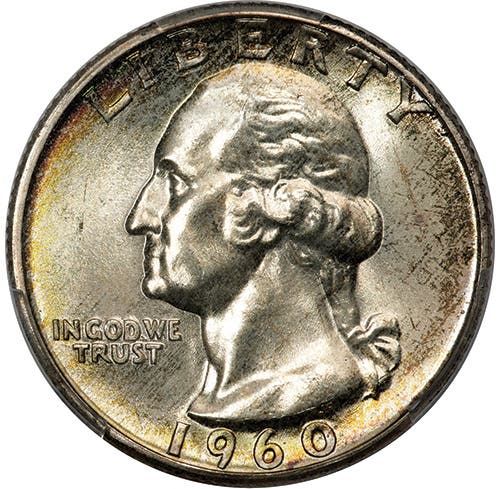
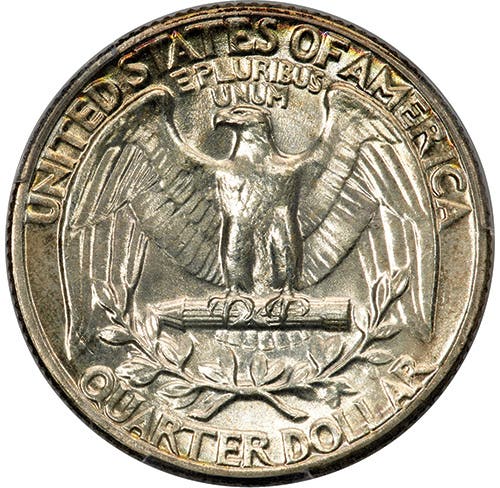
The United States stopped making silver coins for circulation during the 1960s, but never demonetized these coins. Are older precious metal coins struck for circulation elsewhere still legal tender, or have they been demonetized?
Canadian silver composition coins struck for circulation remain as legal tender. There may be others, but Switzerland is a standout as a country that withdrew the legal tender status of its circulating silver coins. According to the Swiss National Bank, “as of 1 April 1971…silver coins were withdrawn from circulation. The Swiss National Bank continues to exchange them at face value.”
Is it true that all silver coins used in the former Soviet Union were withdrawn much earlier than when we withdrew ours in the 1960s?
The United States and other capitalistic countries ceased issuing silver composition coins for economic reasons. The now-defunct Soviet Union not only ceased minting but also abolished the circulation of silver coins in 1931 due to an ideological shift in the communist nation’s monetary policy. Soviet leader Joseph Stalin wanted to move away from a commodity-backed currency system. Also, unlike in the rest of the world, the withdrawal of silver coinage was forced on the public.
We assume our commemorative coins are legal tender because we put a denomination on them. I realize that since they are gold or silver, no one would spend them, but legally, are they legal tender?
All of our non-circulating legal tender commemorative coins, as well as all of our bullion coins, are legal tender at their face value. While it is unlikely anyone would ever spend them, this wasn’t true for the commemoratives issued between 1892 and 1954. During that period, the intrinsic value of silver coins wasn’t an issue. Some of these coins circulated either because they were available or because the government dumped them into circulation when they failed to sell.
You may also like: