
Starck Reality: Regular Updates Reflect Precious Metals Prices
Volatile precious metals markets have highlighted the need for updated bullion-linked pricing, driving targeted improvements across the NumisMaster database.
Creating and updating a database with as many data points as NumisMaster is an enormous undertaking. The database is built upon decades of labor from amazing, hardworking coin and paper money experts, dating back to the 1970s and continuing to today. But we can’t do it alone.
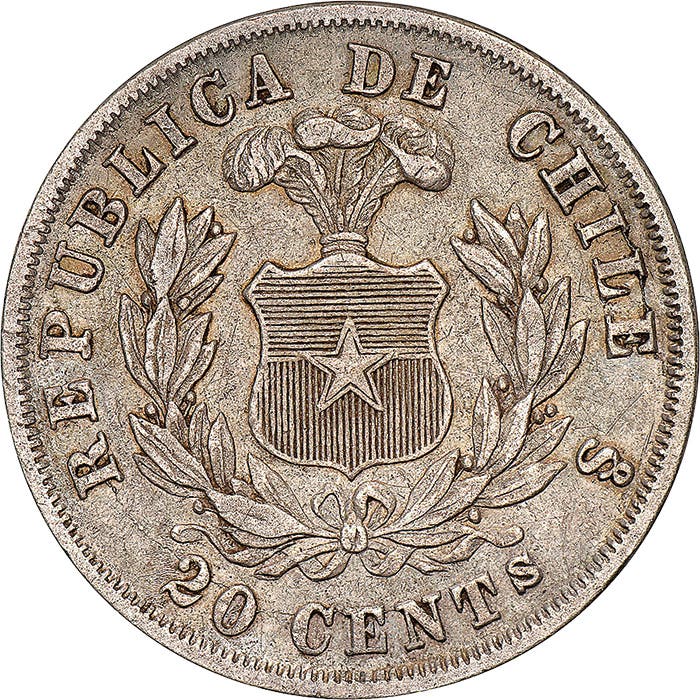
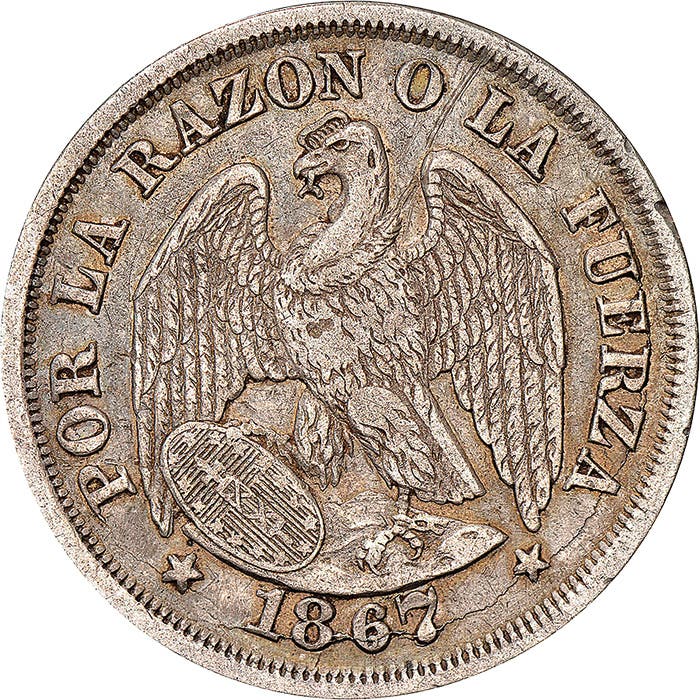
The rapid rise in precious metals prices in 2025 has revealed some pain points in the system, as prices for specific coins in certain grades were set based on a strict numerical value that is not tied to the metal’s value. For instance, a NumisMaster user alerted us that the 20 centavos of Chile from 1867–1893 (two subtypes, KM-138.1 and KM-138.2) both had pricing that is not truly linear. We dug into the database to find that most of the coins cataloged as KM-138.1 in Very Good-8 had a pricing formula indicated as Bullion Value or BV. This shorthand allows the prices of such coins to change when we periodically update bullion numbers in the database.
Updating the base bullion values, upon which so much pricing is extrapolated, has been a major goal this year, given the rampage that metals prices have taken. As I type this, the last update occurred on October 16, when silver was set at $48/ounce and gold at $3,900/ounce (they will be updated over the Christmas holiday). A site user will see and know that much of the coin pricing was generated with prices at those levels and can easily extrapolate the difference based on market movements of the underlying precious metals.
Updates require a week of downtime—they are not as frequent as we may want. What has proven problematic is that, in our example, prices for subsequent grades were actual numbers (and not BV or BV plus a certain percentage), and thus were not updated when we ran a precious metals update. This has created more work for us, as we try to play whack-a-mole and catch all of these offenders. We are grateful that many have alerted us, as users or our analysts have discovered instances where we need to replace the static number with a bullion-based formula. This allows us to create a more responsive pricing framework and ultimately saves time in updating prices moving forward.
By no means are all coins only linked to their bullion or “melt” value. But in those instances where pricing can be demonstrated as such, we are intent on improving the infrastructure so that in the future, whatever analysts we engage with can focus on the market for coins whose value is not relative to precious metals pricing. We welcome your comments and alerts as we continue to refine the database.
You may also like:

Jeff Starck is the Market Analyst for Numismaster.com and is a lifelong collector and writer. His appreciation for and interest in world coins and writing allows him to share the hobby with others.