The Evolution of Minting Technology–Part 2
From hammered coinage to the screw press, 16th-century innovations brought greater precision, security, and consistency to coin production, laying the groundwork for modern minting techniques.
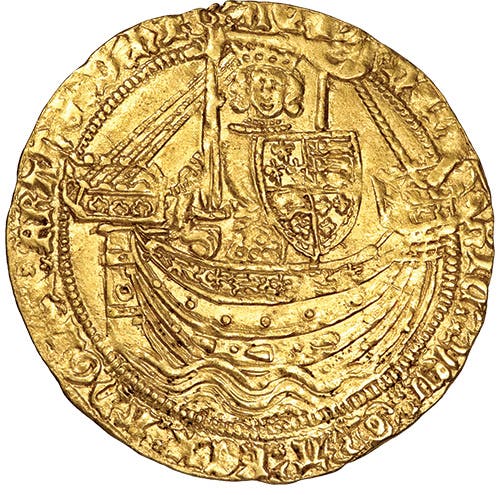
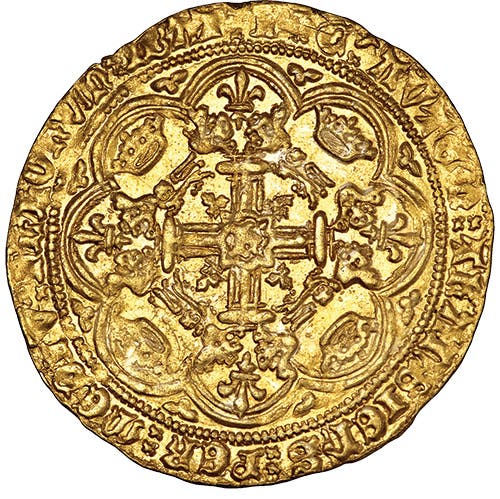
A Henry IV gold noble, 1399-1412. Image: Heritage Auction.
The usage of coins gained traction in commerce, becoming a staple in everyone’s pockets and purses. Still, despite their importance, there were no major innovations in minting technology until approximately the 1500s.
Hammered coinage was crude, with irregular shapes and sizes, which allowed counterfeiters to run amok, and many criminals would debase coins by clipping off the rough edges and using the scraps of metal.
As time progressed, the methods of minting remained relatively unchanged. The hammer method allowed for smaller regional mints to operate with simple techniques and equipment. Still, metallurgy improved, and greater standards for consistent silver and gold alloys, along with official weight controls, increased the public’s confidence in coinage. The sophistication of the dies increased as well. With improved steel, engravers could create sharper details in coin designs. The engraving quality is noticeably improved, but the coins still retain the irregularity of the hand-striking method.
In the 1550s, a new technique for striking coins was created by a goldsmith in Augsburg, Germany, Max Schwab. Using rolling mills, more uniform coins could be produced. The screw press applied even pressure across the blank, resulting in a more precise strike than hammering.
The idea of a screw press was nothing new; it was initially invented by the Romans centuries prior to aid in the production of wine and olive oil. Then it was adapted for printing. Schwab revised the concept for coinage and presented it to the Venetian mint. It was unsuccessful there, but news of the machine reached France.
French ambassadors were sent to observe the new machine, and engineer Aubin Olivier was tasked with bringing the new technology to the French mint. Olivier presented his own version of the press, which also included a collar. The expanding metal filled the collar and created a reeding, designs, or edge lettering, further deterring counterfeits.
A minimum of three men were required to operate a screw press. Two or four men, called spinners, operated a weighted beam, which pushed a spindle on the press downward. It pressed the die into the blank and required great strength to ensure the design was well-formed.
The larger the coin, the greater the force required. A crown-sized coin often required as many as eight men. Horses could also be used in place of manpower. Once the coin was struck, the spinners reversed themselves to raise the spindle back up. Another person would sit facing the press, manually place blanks, and remove the finished coins. This individual would often be placed in a pit, allowing them to be at eye-level with the dies.
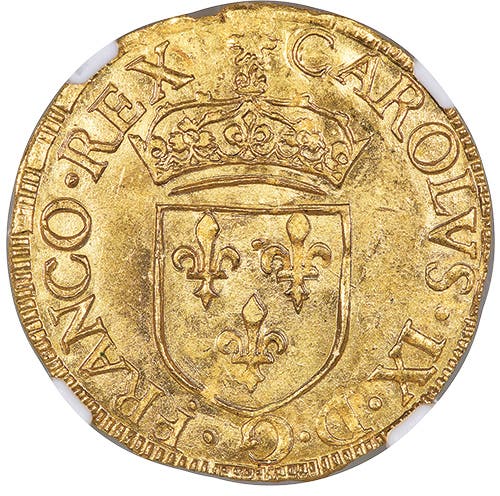
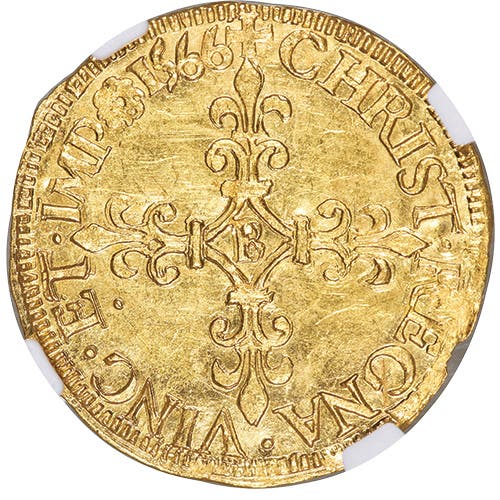
A man by the name of Eloy Mestrelle brought milled coinage to England in 1561. The new method for striking coins wasn’t easily accepted by many mints in Europe. The installation of the machines was expensive, and workers feared job losses as the process became more streamlined and horses could operate the press. Despite the clear advantages of the improved coins, it would be quite some time before they became a widespread, established method, replacing hammered coinage.
Read Part III of The Evolution of Minting Technology in the May 2026 issue of World Coin News.