
Paper Money Market: Making Sense of Cents…and High Denominations
As inflation reshapes global currency systems, the United States may be overdue not only to retire the penny, but also to rethink higher denomination coins and bank notes.
The United States currency system appears to be going in reverse when we compare what we are doing to the actions of other countries. Our physical U.S. currency system is just beginning to show some common sense (no pun intended) by dropping production of the cost-prohibitive 1¢ coin. But we are failing to acknowledge “the other end,” this being higher denominations coins and bank notes that are overdue to be introduced due to inflationary pressures.
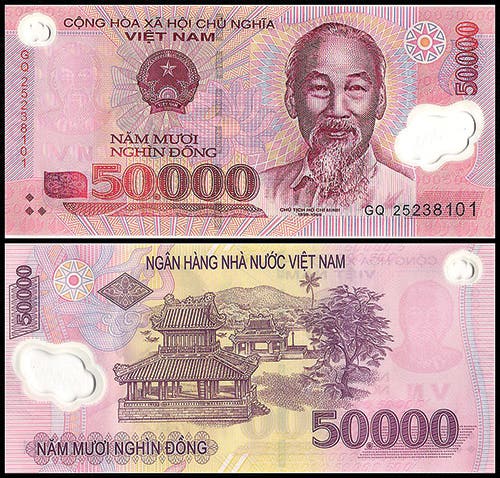
Elsewhere around the world, countries have been dropping their lowest value coins for years, but at about the same time, many of them have introduced higher denomination coins to replace lower denomination bank notes. In turn, they have introduced higher denomination bank notes where inflation has taken its toll on physical commercial transactions. It makes sense to drop the equivalent of our dollar bill for a circulating coin when you compare the cost of production and the life expectancy of each. We mint dollar coins but make no effort to ensure they circulate.
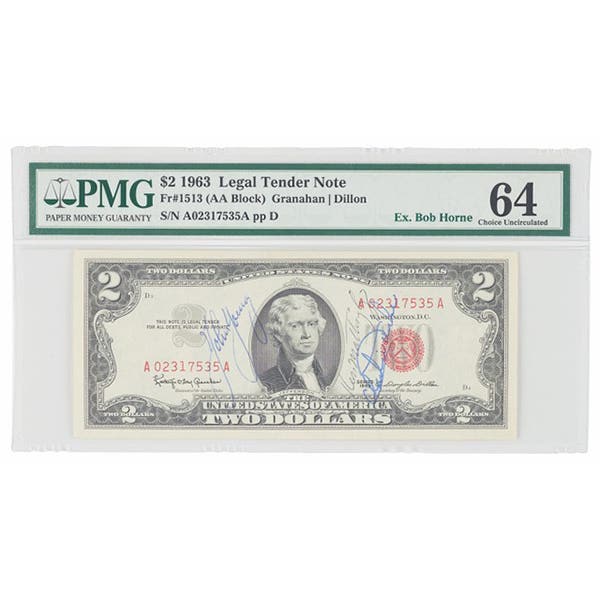
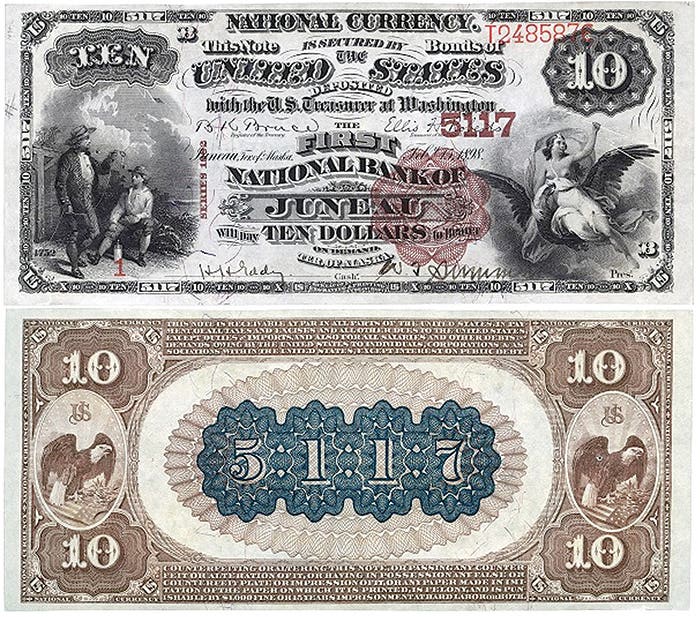
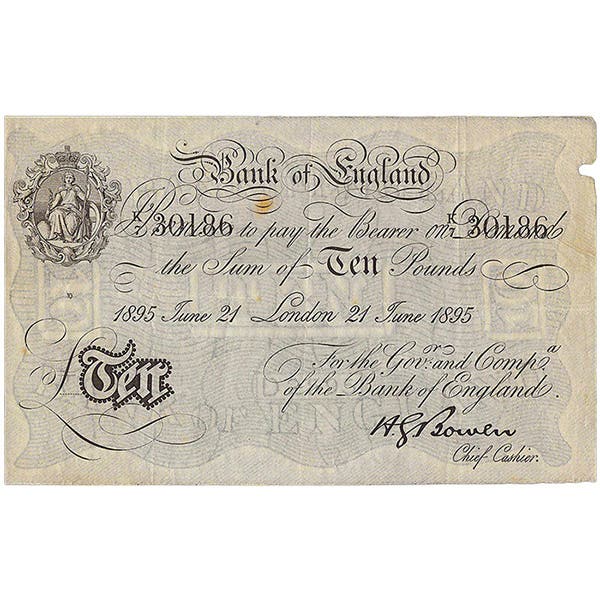
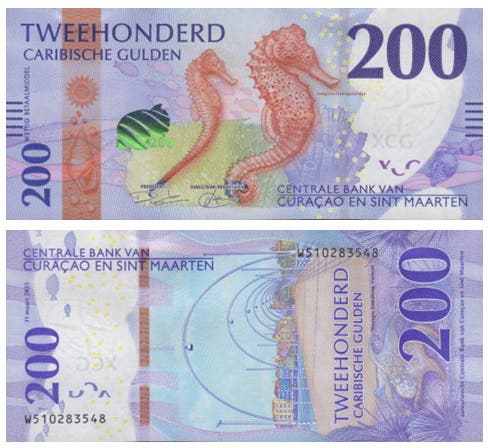
Other countries simply ceased producing their undesirable bank note denominations. The United Kingdom dumped its £1 bank note for a coin way back in 1983. Australia followed the British example a year later. Canada joined them in 1987, and Mexico is about to replace its 20-peso bank note with a coin, while Moldova is about to dump its 1-, 5-, and 10-lei notes for coins. We’ve had bank notes with face values of $10,000 in the past. Why can’t we introduce a $200 bill?
The demise of the 1¢ coin may have been overdue, but so is at least one higher denomination bank note. There is a saying that numismatics makes sense, but it appears we have been too busy focusing on cents.
You may also like: