Innovative Commemorative Coin Subjects on the Rise
From superheroes to board games, pop culture NCLTs are reshaping how collectors—and mints—approach the future of coin collecting.
Superman, Batman, 007, and more pop cultural icons are appearing with increasing frequency on non-circulating legal tender (NCLT) coins. Demand for these NCLTs, whether they are coins or medals, is important to the future of coin collecting. Younger people seldom use coins. A coinless society is being encouraged by special interests. The way people will be introduced to coin collecting will increasingly be through coins and medals celebrating pop culture, rather than by checking the dates on coins in their pockets.
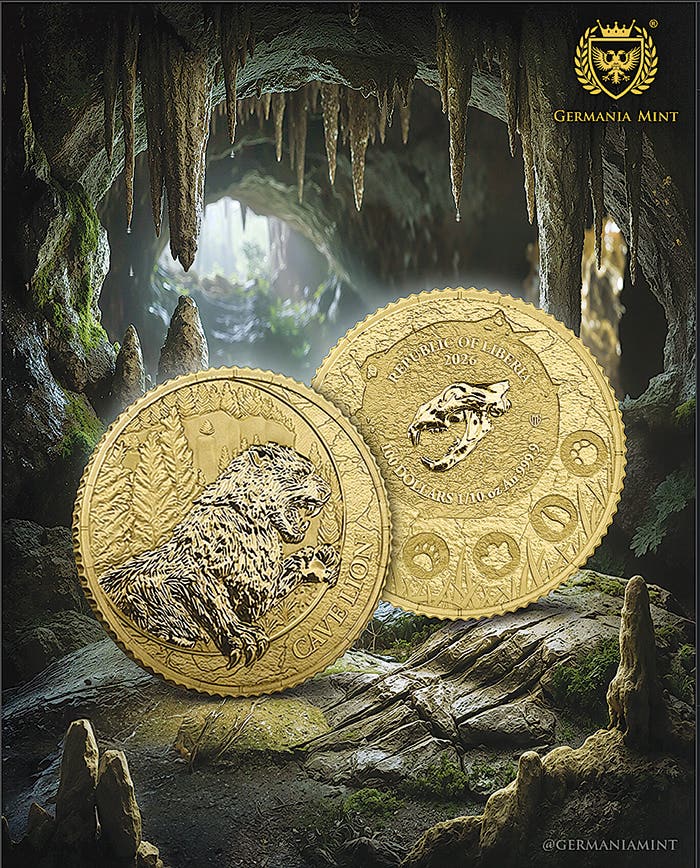
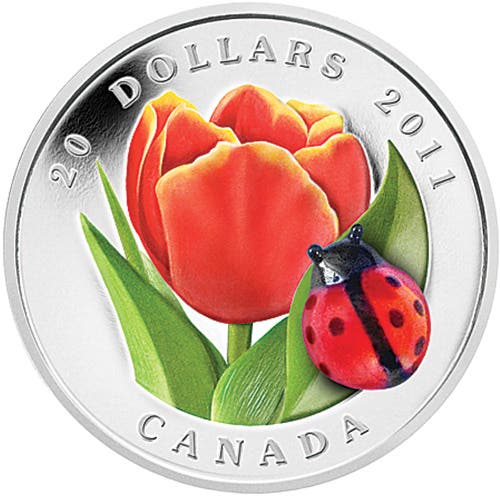
Novelty designs have appeared on NCLTs since the 20th century. Subjects such as the Titanic have appeared on coins from countries where the ship never sailed. Dinosaurs and racing cars have appeared on others because there are enthusiasts who will buy these coins due to the depicted subject, rather than because they collect coins.
What’s different is that many of these whimsical 20th-century NCLT subjects were minted in the name of some third-world country by a mint elsewhere in the world. These countries were paid for the right to use their name. It is unlikely that any of the coins were ever in the countries named. In some instances, unoccupied territories or fantasy places were named on these coins. The primary target audience was people interested in the subject of coins, these buyers not necessarily being collectors. The difference now is that such novelty subjects on coins have gone mainstream, being minted by or in the name of major coin-producing entities.
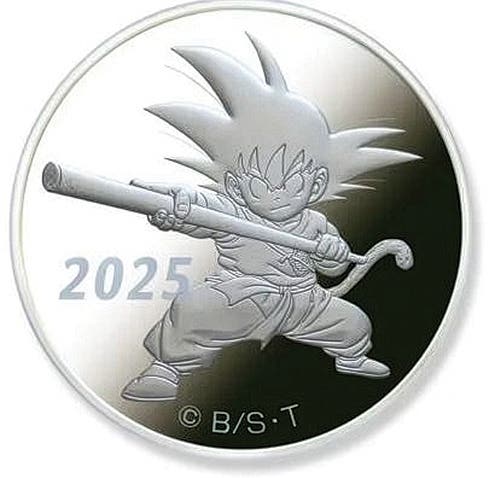
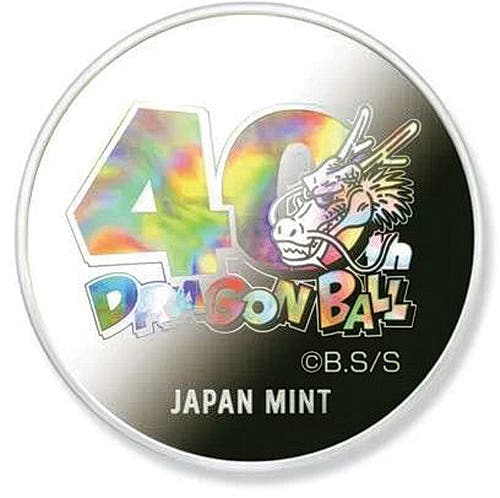
The Japan Mint, the official government mint of Japan, is jumping on this bandwagon. The mint recently announced it will mark the anniversary of “Dragon Ball,” a popular franchise involving anime, films, and video games, on coins. The show is based on a Chinese novel about a martial artist titled “Journey to the West.” The story gained popularity and has since expanded worldwide. The Japan Mint hopes demand for the coins will also receive worldwide attention.
Many of the 20th-century NCLTs were produced in unrealistic numbers, with the majority remaining unsold and eventually being melted. Countries including Great Britain, Japan, and the United States have learned that, due to the coins being minted in areas with a major coin collector market, they will sell despite featuring novelty subjects. The “Dragon Ball” proof set has a mintage of 25,000, while the standard coin set has a mintage of 60,000.
The British Royal Mint has been dipping its toe into this market for some time, but it has recently released a Monopoly board game issue that is worth mentioning due to the set’s innovative design. The beauty of the Monopoly coin is in the marketing. The game has been translated into 47 languages and is estimated to have been played by over one billion people. Additionally, the game features a distinctive paper currency that can also be exploited.
Senior Vice President of Global Licensing at Hasbro, Marianne James, said: “Monopoly has been part of family life for 90 years, creating unforgettable memories around the table for generations.
To see the brand celebrated on an official UK coin is a truly special milestone, and we’re delighted to partner with The Royal Mint to bring this to life.”
This collaboration may be more than a celebration of the board game; it could also be a move to garner more income. On September 17, 2025, the Financial Times reported, “The Royal Mint’s losses grew last year as the collectible coin market lost its luster, with the state-owned company warning of ‘collector fatigue’ after years of royal milestones such as King Charles III’s coronation.”
The Royal Mint isn’t alone. Mints that produce circulation coinage worldwide are experiencing excess production capacity due to decreasing orders. Commemorative coins are one way to fill this void, hopefully returning some of these mints to profitability.
Mints such as those in Australia and Canada have stopped making costly low-face value coins while being able to produce higher-face value coins profitably. The British Royal Mint began selling jewelry in 2022. Monnaie de Paris has been producing and selling high-quality artistic medals, sculptures, and jewelry for years. The bottom line—mints don’t want to lose their identity as coinage minting facilities.
You may also like: