
250th Anniversary Coins Unveiled
Coin designs have always carried political meaning. As debate swirls over the U.S. Mint’s 250th-anniversary quarters, history reminds us this controversy is nothing new.
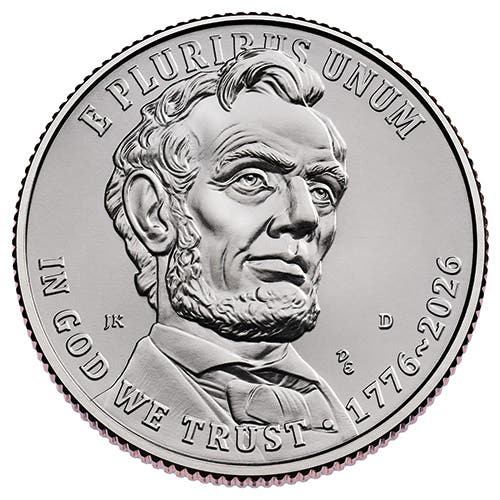
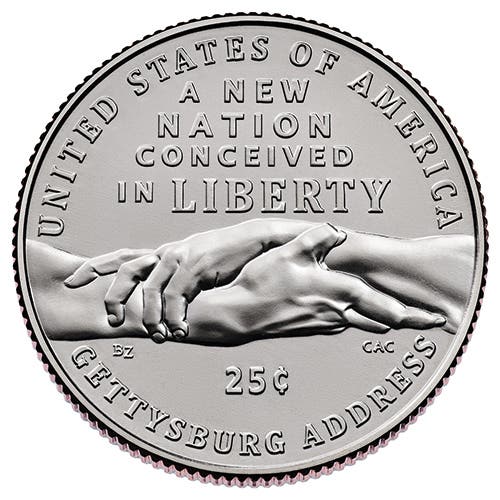
The 250th-anniversary coin designs for American independence were recently unveiled. As might be predicted, there are politics swirling around what designs were chosen. The New York Times declared that the war on wokeness has come to the U.S. Mint. CNN was quick to point out that previously chosen Biden administration designs honoring women’s rights and the abolition of slavery had been replaced with “historical quarters featuring white men from the 18th and 19th centuries who were already well represented on currency and in historical tributes.”
Others argue that this is the 250th anniversary of the entire nation’s independence, not the anniversary of women’s suffrage or of emancipation. Don’t we need to stay focused on the event at hand, then honor those other events when their anniversaries occur? The problem is as old as the hills. The images on coins have always had propaganda value, dating back at least to the time Alexander “the Great” put his own image on his coinage.
There have been propaganda messages that have laid an egg in the past. Among them is the Roman Emperor Valerian I, who issued a victory coin over the Parthians in AD 257; however, he was captured and executed by those same Parthians. We’ve had living people appear on our coinage several times, with debate about doing it again being addressed by Congress. Our American independence coins could have laid a similar egg if, instead of honoring our independence, we had celebrated some other event, regardless of how important that event may be.
You may also like: